.avif)
.webp)


TLDR: Nyhavn (New Harbour) is Copenhagen’s iconic 17th-century waterfront district, famous for its colorful townhouses, historic wooden ships, and lively restaurants. The area is free to visit, open 24/7, the starting point for popular canal tours, and was once the home of fairytale author Hans Christian Andersen.
Nyhavn is the most photographed spot in Copenhagen, a vibrant canal lined with brightly colored 17th-century townhouses and historic sailing ships. Originally a busy commercial port, it is now the city's entertainment heart, packed with jazz bars and restaurants.
This guide covers the history of the "New Harbour," the best canal tours, Hans Christian Andersen's former homes, and how to get there.
What is the story behind Nyhavn?

Nyhavn, which translates to "New Harbour," was established between 1670 and 1673 by King Christian V. Its primary purpose was to serve as a gateway from the sea to the old inner city of Copenhagen. Back in the day, it was a bustling commercial port filled with ships and sailors from around the world. Over the centuries, Nyhavn transformed from a gritty dock area to one of the most picturesque and lively spots in Copenhagen.
The canal was originally dug by Swedish prisoners of war, and it quickly became a hub for trade and shipping. Throughout its history, Nyhavn has seen its fair share of change, evolving from a busy port to a vibrant cultural district. One of its most famous residents was Hans Christian Andersen, the renowned Danish author, who lived at multiple addresses along the canal.
What is Nyhavn known for?

Nyhavn is renowned for its colorful 17th and early 18th-century townhouses that line the waterfront. These iconic buildings, painted in vivid shades, create a postcard-perfect scene that attracts photographers and tourists alike. The area is also famous for its lively atmosphere, with numerous bars, cafes, and restaurants offering a taste of Danish culture and cuisine.
Aside from its visual appeal, Nyhavn is a historical landmark that offers a glimpse into Copenhagen's maritime past. It's a place where history and modern entertainment blend seamlessly, making it a favorite spot for both locals and visitors.
How old are the houses in Nyhavn?

The houses in Nyhavn are steeped in history, with the oldest building, located at No. 9, dating back to 1681. Many of these structures have been well-preserved, maintaining their historical charm for over 300 years. The colorful facades and traditional architecture provide a window into the past, offering a unique backdrop for a stroll along the canal.
What to do in Nyhavn?

Apart from snapping the perfect photo, Nyhavn offers plenty of activities:
- Canal Tours: Hop on a classic boat tour (Stromma or Netto-Bådene) departing from the head of the harbor.
- Hans Christian Andersen's Homes: Spot the red house at No. 20 where he wrote his first fairytales, plus his other homes at No. 67 and No. 18.
- Dining Al Fresco: Enjoy a Danish open-faced sandwich (smørrebrød) and a cold beer at one of the many quayside restaurants.
- The Memorial Anchor: Visit the large anchor at the end of the canal, a memorial to Danish sailors lost in WWII.
How do you get to Nyhavn?

Nyhavn is located in central Copenhagen at the end of the pedestrian street Strøget.
- Metro: Take lines M1, M2, M3, or M4 to Kongens Nytorv. From there, it is a 2-minute walk towards the giant anchor.
- Bus: Bus lines 23, 26, and 31 stop at Kongens Nytorv.
- Walking: It is a 15-minute walk from Tivoli Gardens or a 10-minute walk from Amalienborg Palace.
What is the best time to visit Nyhavn?
Nyhavn is beautiful year-round but offers different vibes depending on the season.
- Summer: Visit in the late afternoon to enjoy the long Nordic sunset and bustling outdoor atmosphere.
- Christmas: In December, the canal transforms into a charming Christmas market with stalls selling mulled wine (gløgg) and æbleskiver.
- Morning: For empty streets and the best photos, arrive before 9:00 AM.
Is Nyhavn worth visiting?

Nyhavn is undoubtedly worth a visit, especially for those interested in history, culture, and stunning photography. The combination of its historical significance, vibrant atmosphere, and picturesque scenery makes it a must-see destination in Copenhagen. However, it can get crowded, especially during peak tourist season, so plan your visit accordingly.
For those seeking a complementary experience, consider exploring nearby attractions such as the Amalienborg Palace or the Royal Danish Theatre, which are within walking distance.
Get more out of the destination

Nyhavn is more than just a pretty face; it's a living piece of Copenhagen's history that continues to captivate visitors with its charm. To fully appreciate what Nyhavn and Copenhagen have to offer, consider using the StoryHunt app. It provides curated experiences and insights into the city's landmarks, including Nyhavn, enhancing your visit with stories and historical context. I can highly recommend the Stories of Copenhagen audio tour which tells you much more Copenhagen and the famous Nyhavn.
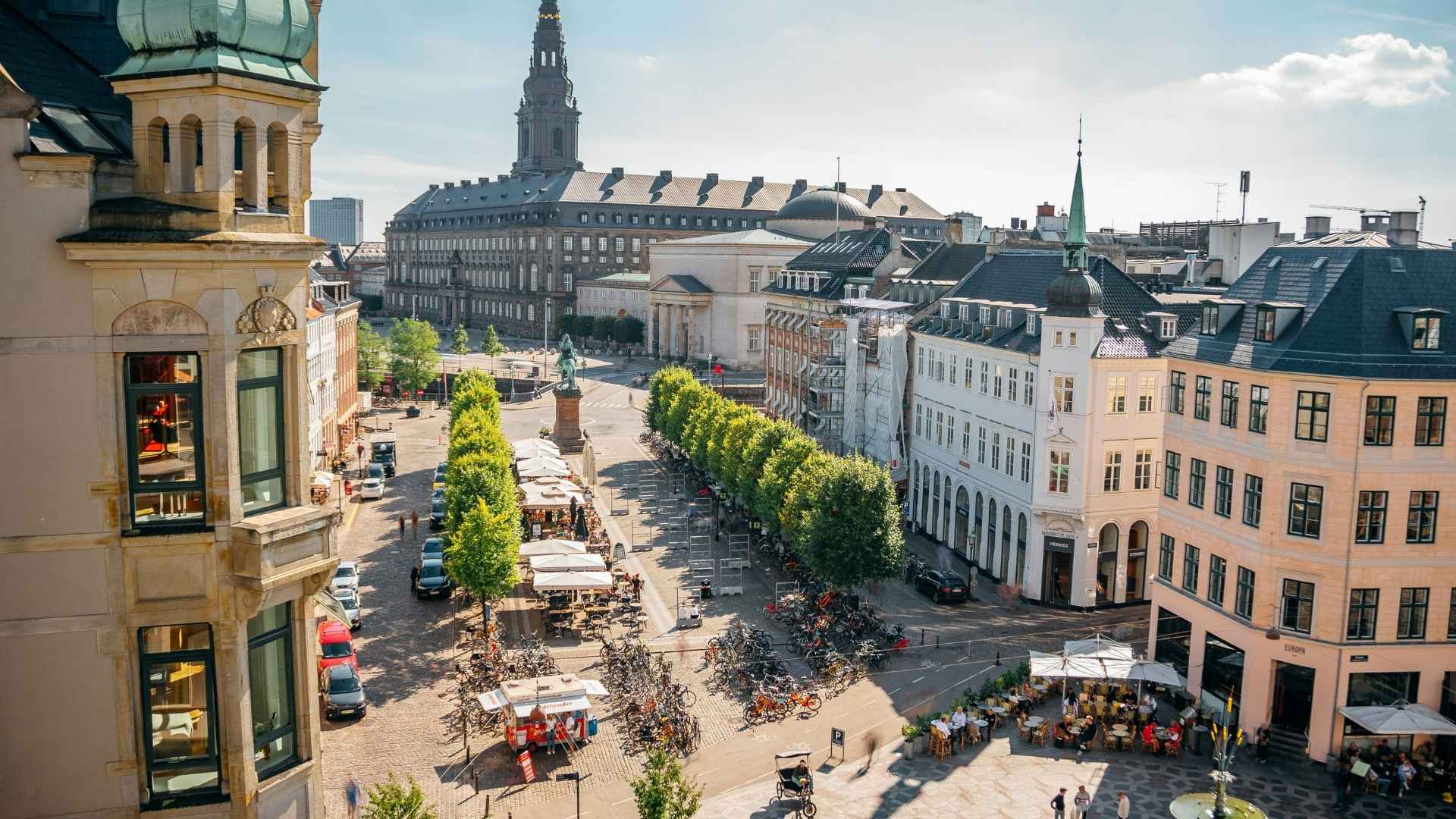
As for complementary experiences, take a look at Christiansborg Palace where power resides, Amalienborg Palace where the royals live, or Tivoli Gardens for a unique experience.


.avif)




.avif)






.jpg)


.jpg)
.avif)


